
Tracking · 6 min read
How to track brain fog: a simple method that works
A low-effort way to log brain fog, what to record alongside it, and how to spot your triggers in a few weeks
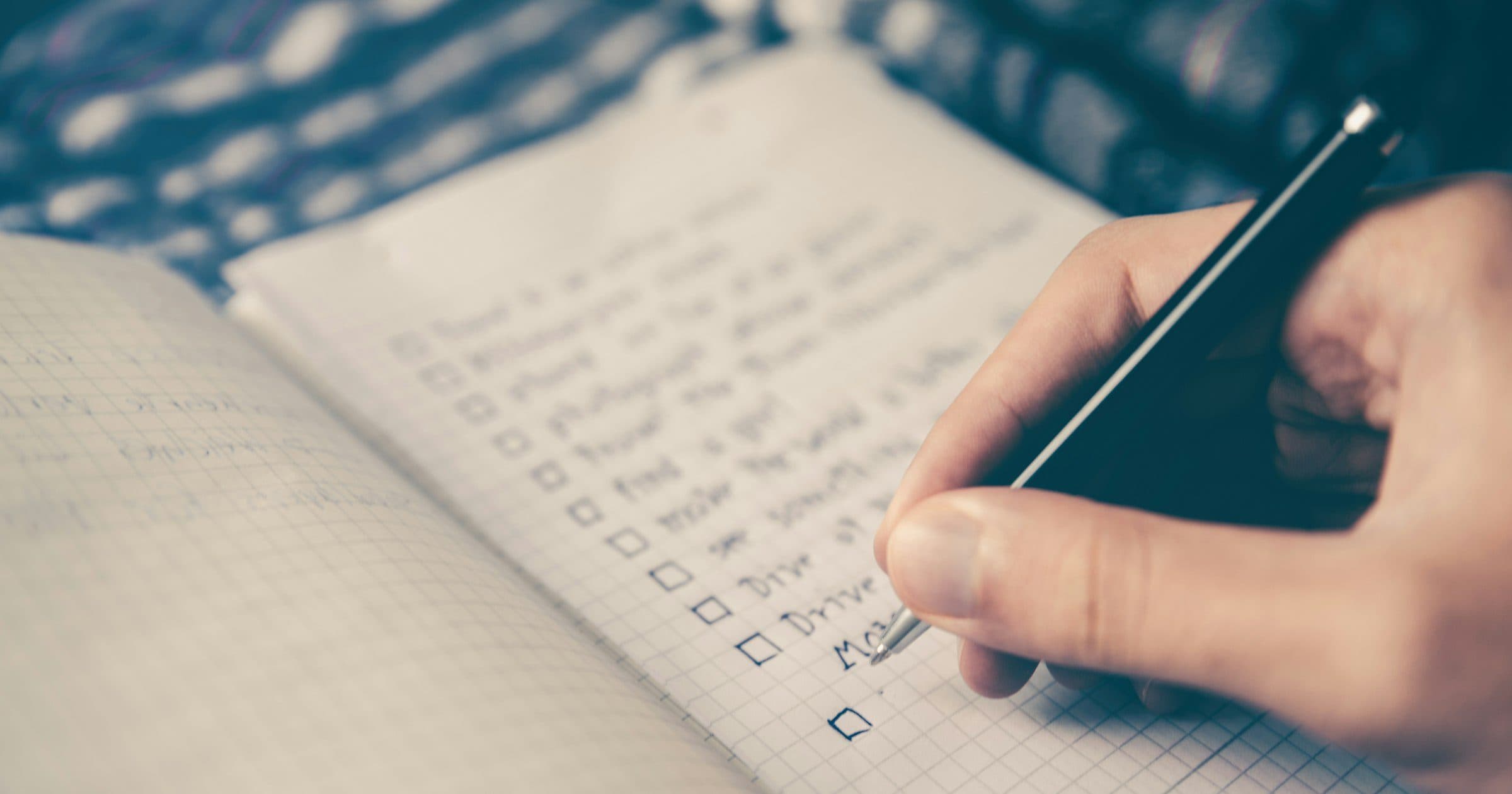
Why tracking helps
Brain fog is hard to describe and harder to remember. On a bad day, it can feel like it has always been this way. On a good day, it's easy to forget how bad it got. Memory is a poor record of something that affects memory.
A simple log fixes that. It turns "I've been foggy lately" into something you can see: which days were worse, what came before them, and whether anything you tried made a difference.
Tracking doesn't diagnose anything. It doesn't fix anything on its own either. What it does is give you, and your doctor, a clearer picture to work from.
Keep it small
The biggest mistake is making the log too detailed. If tracking takes ten minutes, you'll stop on exactly the days that matter most — the foggy ones.
A good brain fog log takes seconds. At minimum, record:
- A fog rating. A simple scale, like 1 to 5, is enough. Don't overthink the number. Your gut answer is the right one.
- The time. Fog often shifts during the day. Morning fog and afternoon fog can have different causes.
That's the core. Everything else is optional and can be added later.
What to record alongside it
Once the rating habit sticks, add a few factors. Pick the ones most likely to matter for you. You don't need all of them.
- Sleep. How long, and how rested you felt. Poor sleep is one of the most common fog triggers.
- Stress. A rough rating is enough. High-stress days often show up as fog the next day, not the same day.
- Food and drink. Big meals, sugar, alcohol, and caffeine are worth noting. So is skipping meals or not drinking enough water.
- Activity. Exercise can clear fog for some people. For people with ME/CFS or long COVID, overexertion can cause a crash a day or two later.
- Menstrual cycle. Fog often follows hormonal shifts, especially in perimenopause.
- Weather. Some people notice fog when air pressure drops or humidity rises.
- Medication and supplements. Note any changes in dose or timing.
When to log
Consistency matters more than timing. Some options that work:
- Once a day, same time. Simple and easy to remember. Evening works well, so you can rate the day as a whole.
- Twice a day. Morning and evening. Useful if your fog changes a lot during the day.
- Whenever you notice it. Log the moment fog hits, or the moment it lifts. Good for spotting triggers like meals or long screen sessions.
If you forget a day, skip it. Don't try to backfill from memory — that's the unreliable data you're trying to avoid.
How to read your log
After a few weeks, look back. You're not looking for proof. You're looking for hints worth testing.
- Compare your worst days. What did they have in common? Short sleep the night before? A stressful day two days earlier? A heavy lunch?
- Compare your best days. What was different? Good clear days are just as informative as bad ones.
- Look for delays. Many triggers act with a lag. Alcohol, poor sleep, and overexertion often show up the next day or the day after.
- Watch for slow trends. A gradual rise in fog over weeks can point to something like a medication change, a new season, or a thyroid or iron issue worth checking.
Test one change at a time
Once you have a suspect, test it. Change one thing for one to two weeks and keep logging.
- Go to bed 30 minutes earlier.
- Swap a sugary breakfast for one with more protein.
- Cut alcohol for two weeks.
- Take a short walk after lunch.
- Plan rest days after busy days.
Then compare. Did your average fog rating drop? Were the bad days less bad? Changing several things at once feels efficient, but you won't know which one helped.
Paper, spreadsheet, or app
Any method works if you keep using it.
- Paper is quick and calm, but hard to analyse. Spotting a two-day lag by flipping pages is tough.
- A spreadsheet is great for analysis, but slow to fill in on a foggy day.
- An app can do the logging and the analysis for you.
We built FoggyBrain for this exact job. You rate your fog in two taps — from the app, a widget, or your Lock Screen. If you connect Apple Health, it can pull in sleep and activity automatically, so there's less to type. It also adds local weather. Over time, it lines your ratings up against these factors and shows which ones move with your fog. Everything stays on your device and in your own iCloud.
Bring it to your appointment
A log is one of the most useful things you can bring to a doctor. It turns a vague complaint into a timeline: how often, how bad, and what seems linked. That can speed up decisions about tests and next steps.
Keep a short summary ready: how long the fog has lasted, your typical rating, your worst stretches, and anything that seemed to help or hurt. FoggyBrain Pro can export a doctor-ready PDF of this, but a handwritten page works too.
The short version
- Rate your fog daily on a simple scale. Keep it under a minute.
- Add two or three factors you suspect.
- Wait two to four weeks before drawing conclusions.
- Look for lags, not just same-day links.
- Test one change at a time.
- Share what you find with your doctor.
Tracking won't clear the fog by itself. But it can show you where to look — and that is often the first real step forward.
This article is for information only and is not medical advice. If your brain fog is severe or persistent, please talk to a healthcare provider. More articles